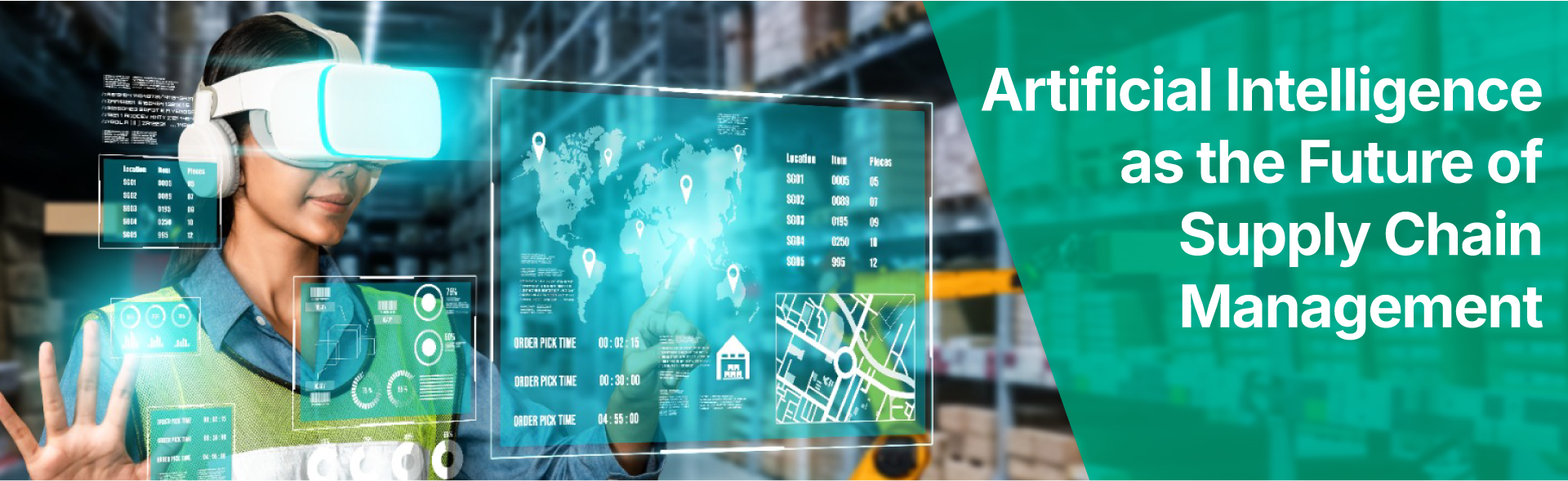
Artificial Intelligence as the Future of Supply Chain Management
“Efficiency is doing things right. Intelligence is doing the right things.”
Supply chains today operate at the intersection of speed, intelligence and scale. Artificial Intelligence has moved beyond experimentation and entered the core of supply chain strategy. In India where manufacturing output, logistics investment and digital adoption continue to accelerate, AI now shapes how goods are planned, moved and delivered across markets with precision and foresight.
As consumer expectations rise and markets move faster businesses embrace AI to stay responsive, profitable and resilient. The supply chain no longer follows instructions.
It interprets signals. It adapts. It evolves.
The Rise of the Intelligent Digital Supply Chain
The digital supply chain blends data connectivity automation and advanced analytics across sourcing production logistics and delivery. AI gives this system its thinking power. Sensors, cloud platforms and analytics tools connect every stage of movement. Information flows in real time across suppliers, manufacturers and distributors.
India’s digital push through initiatives like Make in India Gati Shakti and the rapid growth of logistics parks has accelerated this shift. Companies gain live visibility across operations. Decisions happen instantly. Delays shrink. Customer experience rises. Collaboration becomes natural rather than forced.
Where Artificial Intelligence Changes the Game
Artificial Intelligence reshapes supply chains through its ability to learn patterns, predict outcomes and optimize decisions at scale. It processes volumes of data that extend far beyond human capacity and converts those insights into real operational action. In practice, this means supply chains respond faster, plan better and operate with greater confidence, even during periods of uncertainty or demand fluctuation.
One of the most visible impacts of AI appears in demand forecasting. By studying historical demand, market signals, weather trends and evolving consumer behaviour, AI creates forecasts that reflect reality rather than assumption. Production schedules align closely with actual market needs and inventory flows with far greater balance. In India, retail and FMCG companies already rely on AI forecasting models to manage sharp demand spikes during festive seasons, flash sales and regional promotions, where traditional planning methods once struggled to keep pace.
Inventory management also evolves from static planning to dynamic movement. AI tracks inventory continuously across warehouses and distribution points and adjusts stock levels in response to real time demand. Warehouses operate lean while maintaining service levels and capital remains available rather than locked in excess stock. For fast growing e-commerce and omni-channel brands, this capability allows quick responses to demand surges without delays or overstock situations.
Inside the AI Powered Supply Chain Engine
AI driven automation reshapes daily operations by transferring repetitive and rule based activities to intelligent systems. This shift allows teams to focus on planning, coordination and innovation rather than routine execution.
In warehouses, AI driven robots handle picking, sorting and packing with high precision and consistency. Large distribution centres supporting online retail already demonstrate how automation sustains performance during peak demand cycles without operational strain.
Predictive maintenance further strengthens operational stability. AI systems continuously monitor equipment health and performance indicators and identify early signs of wear or failure. Maintenance occurs before breakdowns disrupt production schedules, which keeps operations steady and extends asset life.
What the Future Holds
The future of supply chains moves toward systems that manage themselves with quiet intelligence. Planning, procurement, fulfilment and customer engagement begin to operate as one connected rhythm rather than isolated functions. What once required endless coordination now happens in the background, keeping operations steady and responsive.
Personalization also steps into a more practical and scalable form. As AI understands customer preferences at deeper levels, supply chains start adjusting what they offer, how it is packaged and how quickly it reaches the customer. A premium buyer may receive faster delivery, while another market prioritizes cost efficiency or eco friendly packaging. These adjustments happen smoothly across the network, turning personalization into a profitable capability rather than a complex challenge.
Collaboration across the supply chain ecosystem grows stronger through AI powered platforms. Everyone sees the same data and responds to the same signals. This level of connectedness helps businesses respond to global complexity with confidence, agility and consistency.
Shaping India’s Future Supply Chain Workforce
Artificial Intelligence defines the next era of supply chain excellence by bringing clarity, speed, resilience and strategic intelligence to every movement. In India, where digital growth reform converges, AI stands at the centre of transformation as organizations adapt rapidly to global competition and shifting consumer needs.
As supply chains learn, adapt and lead, the role of supply chain professionals becomes more critical than ever. This is where continued learning makes all the difference. Organisations like Blue Ocean Corporation help bridge the gap between evolving technology and real-world expertise by empowering professionals with globally recognized certifications and training programs. From foundational courses to advanced certifications in supply chain, procurement and logistics, these programs equip learners with the skills needed to thrive in AI-driven environments and lead strategic initiatives at scale.
Imagine a professional who can read predictive insights, optimize complex networks and design adaptive supply strategies - that person is often certified through programs such as Certified International Supply Chain Professional (CISCP) or other specialized credentials backed by industry standards. With Blue Ocean Corporation’s mix of real-world case studies, flexible learning paths and international recognition, individuals stay current with the pace of change across supply chain roles.
The future supply chain is not just digital - it’s intelligent, agile and personalized. Businesses that embrace AI today build the agility required for tomorrow and unlock opportunities for sustained competitive growth. As India rises as a global supply chain hub, professionals equipped with future-ready skills will lead that charge, transforming disruption into advantage and creating value across industries.